Welcome to another post for the curious soul.
I can assure you that this post will be less dull & more colourful.
Because the topic we will be discussing today is all about COLOURS.
Im sure you’ve heard one or more of the terms below
- Primary colours
- RGB
- CMYK
- 256 colours
Let us begin our colourful journey using the diagram below. The 3 primary colours of LIGHT are Red, Green & Blue. There are 256 levels of intensity for each colour
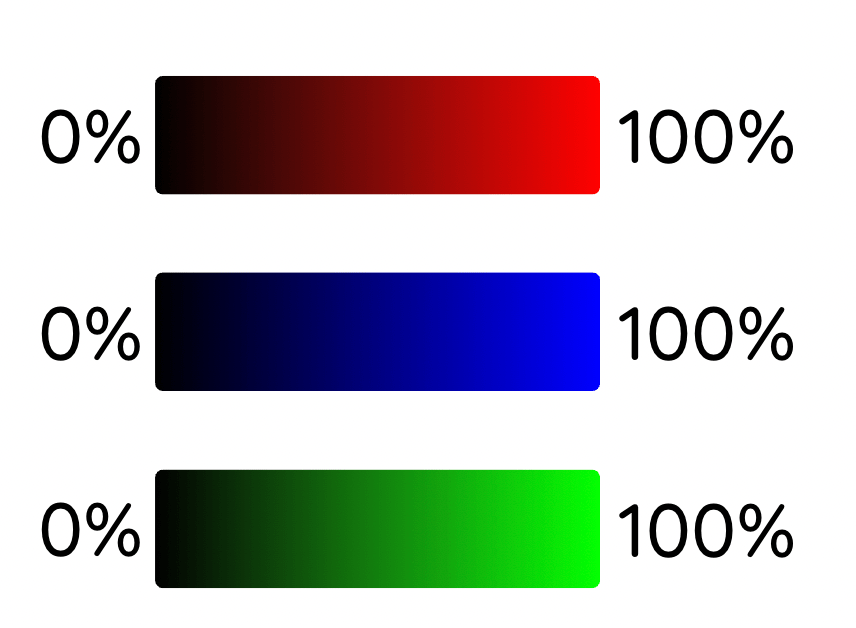
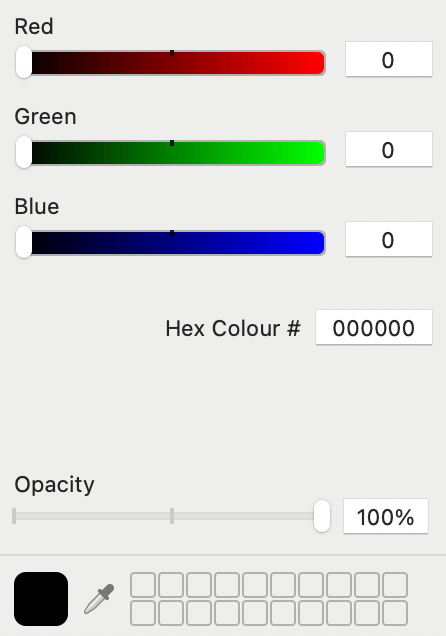
Black consists of 0% Red + 0% Green + 0% Blue
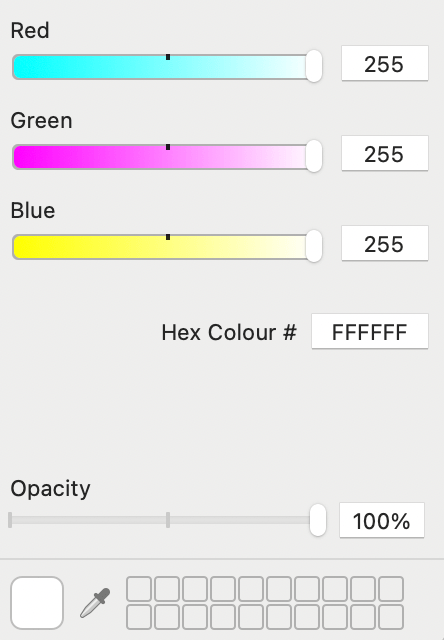
White is 100% Red + 100% Green + 100% Blue
Based on the statement above, how many possible combinations of colour are there?
Before we answer that question, let us look at a simpler problem.
Using only 2 numbers, how many password combinations are possible?
If the first thing that popped in your head is ’99’, then you are like “most” people. There are actually 100 numbers between 00 and 99. We can scale this up easily using more digits because numbers consists of 10 numerical values (0 to 9).
2 digits: 10 x 10 = 100 combinations
3 digits: 10 x 10 x 10 = 1000 combinations
n digits: 10n combinations
Let us return to the original question. Since there are 3 primary colours with 256 levels of intensity for each, there will be (256 x 256 x 256) combinations, which is over 16 million possible colours. I know this sounds unreal, but the reality is our eyes aren’t able to distinguish between all of them.
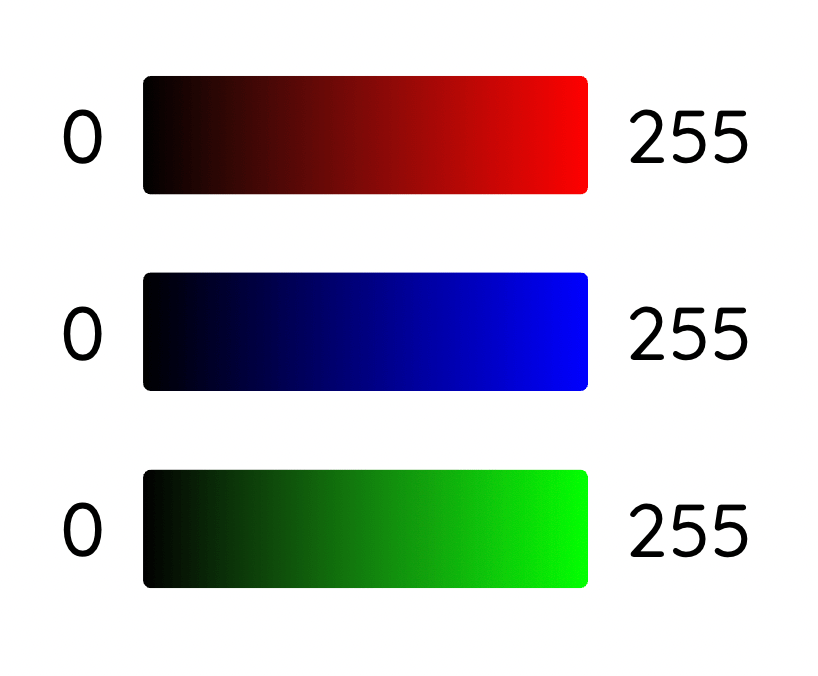
Base on our base-10 number system, we aren’t able to categorise all the colours effectively.
Q: Are there any hacks you can think of?
A: Yes. We can use hex, not h-a-c-k-s but HEX, h-e-x.
It is short for Hexadecimal, a number system with a base of 16. Look at the tables below for a quick explanation.
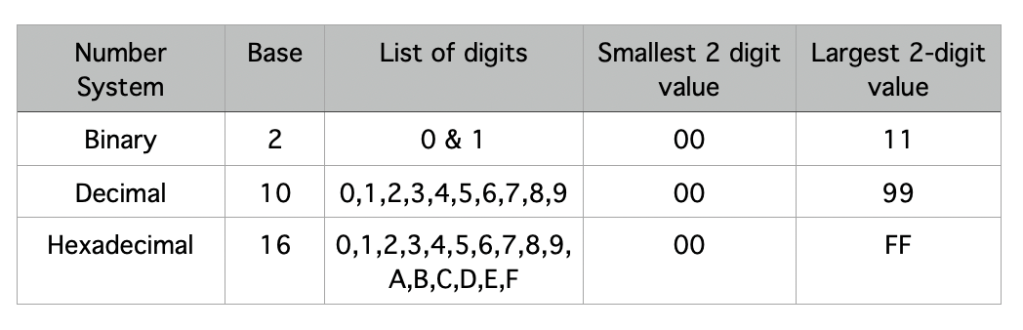

Since there are 16 digits for a hexadecimal number system, we can represent each colour with a 2 digit code as there will be 16 x 16= 256 combinations. PERFECT COINCIDENCE!
The table below is done by manually inserting the value of red for each cell from 00(0% RED) all the way to FF(100% RED).
Hope you can appreciate its beauty 😉
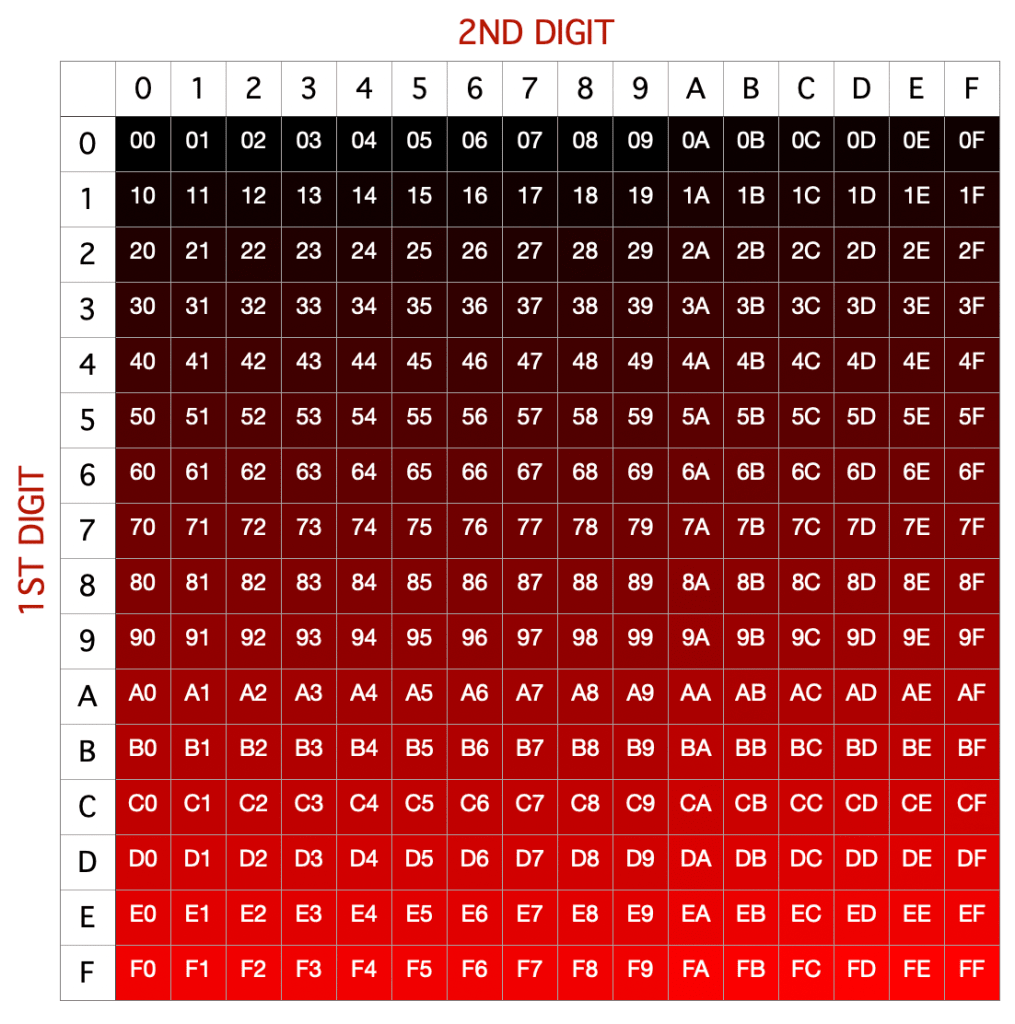
FF = 100% RED
If we apply the above method to Green & Blue, we will get similar results.
Combining the 3 ingredients, we end up with the HEX COLOR CODE as shown below.
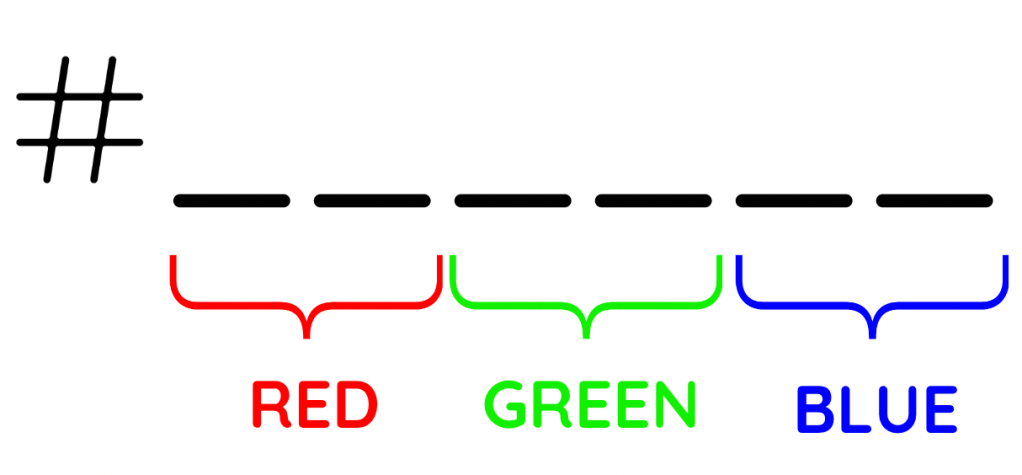
There are 16,777,216 possible combinations with just these 6 digits. That’s astounding!
Here are some examples of hex code for common colours.
Black: #000000
White: #FFFFFF
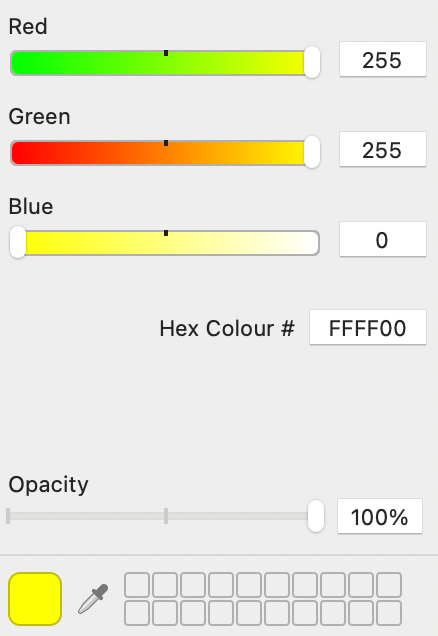
Yellow: #FFFF00
Pure Grey: #808080
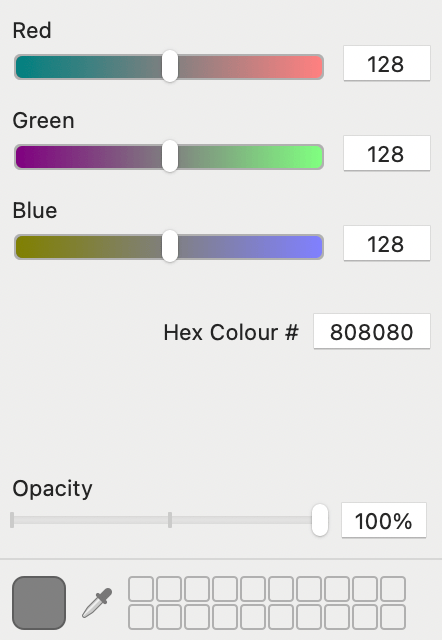
Based on the information above, different shades of grey can be obtained when you combine an equal intensity of Red, Green & Blue.
We use the term ‘GRAYSCALE’ to describe the “greyness’ of a color which ranges between black and white.
This can be used to convert a photo from the ‘RGB’ Scale to “GRAYSCALE”
Here are some examples of the different shades of ‘GREY’
QUICK SILVER: #A6A6A6
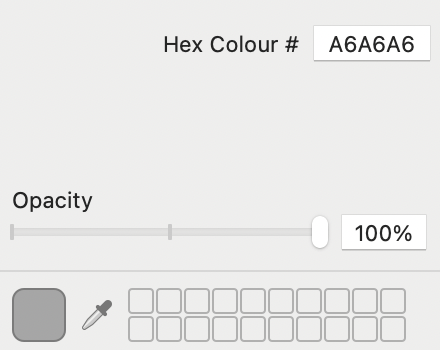
DIM GRAY: #696969
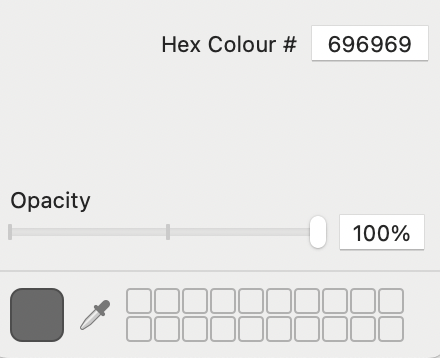
In conclusion, there’s actually more than 50 shades of grey(pun intended)
We have come full circle about colors, so here’s a final image for you to soak up the brief existence we have with this beautiful world.

Thank you for making it this far & here’s wishing you a more colourful life!
 Leap with Luqe
🙏yet another proof that math/numbers are an integral part of this pulsating life everywhere. With simplicity, so beautifully explained Mr.Luqe. simple yet a bountiful awareness is to be explained to all lower sec children for a wholesome education. 👍
LikeLiked by 1 person